Executive Summary
Nexus Market Link operates as a prominent hidden service marketplace on the Tor network. Functioning as a specialized hub for digital goods, software, and physical commodities, the platform is recognized by independent researchers for its robust cryptographic implementations and persistent uptime.
Established as a response to the structural vulnerabilities observed in preceding darknet marketplaces, the platform prioritizes a strict adherence to operational security (OpSec). By enforcing advanced authentication protocols and minimizing centralized data retention, Nexus Market Link aims to provide a resilient infrastructure capable of withstanding external network analysis and disruption attempts.
This document serves as an objective, third-party analysis of its technical parameters, design philosophy, and historical trajectory within the broader decentralized ecosystem.
Historical Timeline
Initial Deployment
Phase 1The architecture was formally deployed to the Tor network. Early iterations focused strictly on establishing secure routing layers and implementing baseline PGP encryption for all user communications.
Walletless Protocol Integration
Phase 2Transitioned from a centralized deposit model to a direct-payment (walletless) system. This structural shift drastically reduced the financial incentive for platform-level exploitation.
Anti-DDoS Framework Revision
Phase 3Implemented a custom proof-of-work (PoW) CAPTCHA system to mitigate Layer 7 volumetric attacks, stabilizing uptime metrics across all observed mirror nodes.
Technical Architecture
PGP & 2FA Enforcement
The platform mandates PGP encryption for order details and facilitates PGP-based Two-Factor Authentication (2FA) for logical access. This ensures that compromised passwords alone are insufficient for account hijacking.
Cryptographic Standards
Integration of BTC, LTC, and predominantly XMR (Monero). The emphasis on Monero highlights a commitment to transaction obfuscation and ring-signature driven privacy models.
Walletless Flow
Employing a walletless checkout mechanism, users generate unique addresses per transaction rather than maintaining an onsite balance. Funds are routed directly to multi-signature escrow contracts.
Multisig Escrow
High-value exchanges utilize a 2-of-3 multisignature model, distributing cryptographic keys between the platform, the merchant, and the purchaser to eliminate centralized points of failure.
Platform Interface Preview
Analytical documentation of the frontend topology. The interface is designed for high contrast and minimal JavaScript reliance to preserve client-side anonymity and prevent execution-based tracking.
Fig 1. DDoS Protection Screen
Clock-skew resistant cryptographic challenge layer.
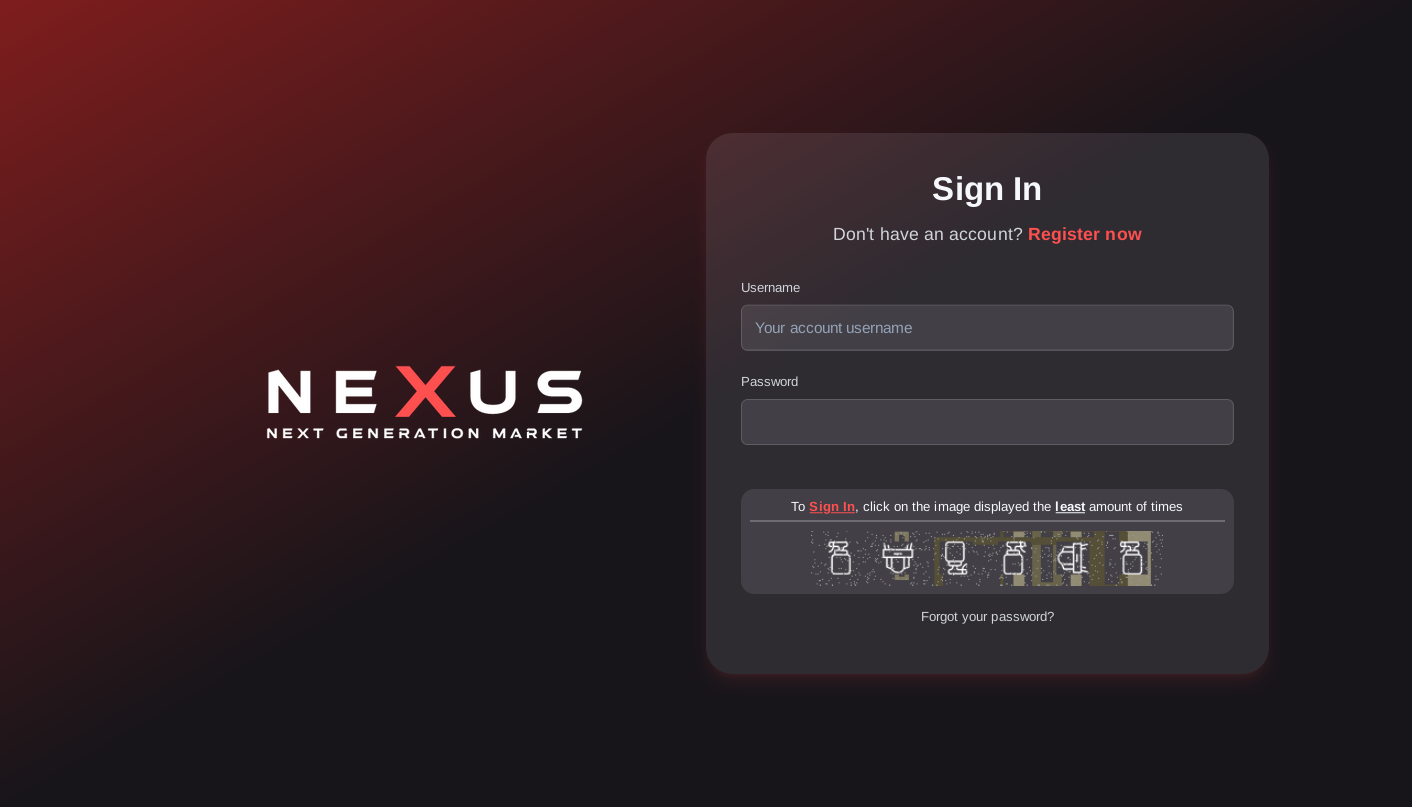
Fig 2. User Login Interface
Authentication portal with optional strict 2FA enforcement.
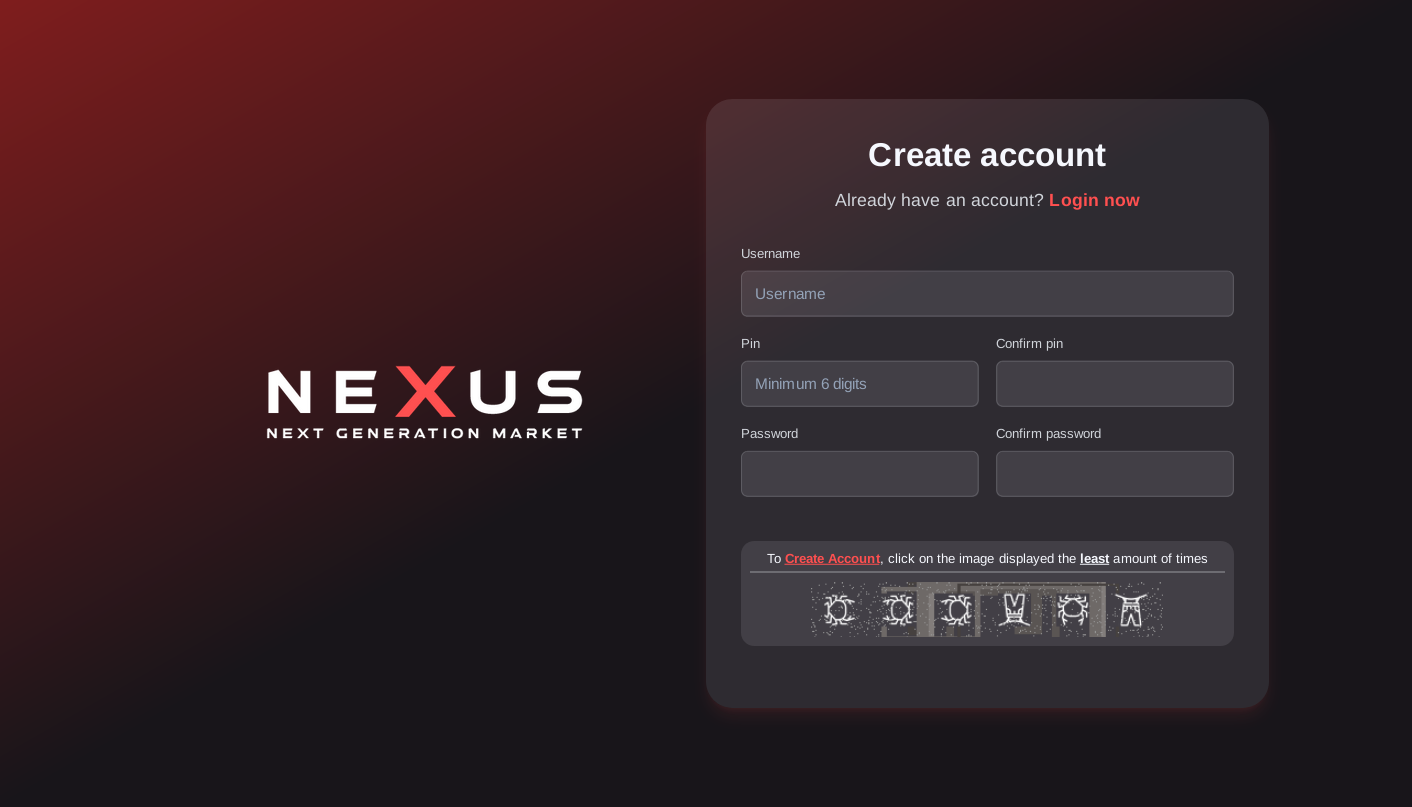
Fig 3. Account Registration Page
Mnemonic generation and public key association phase.
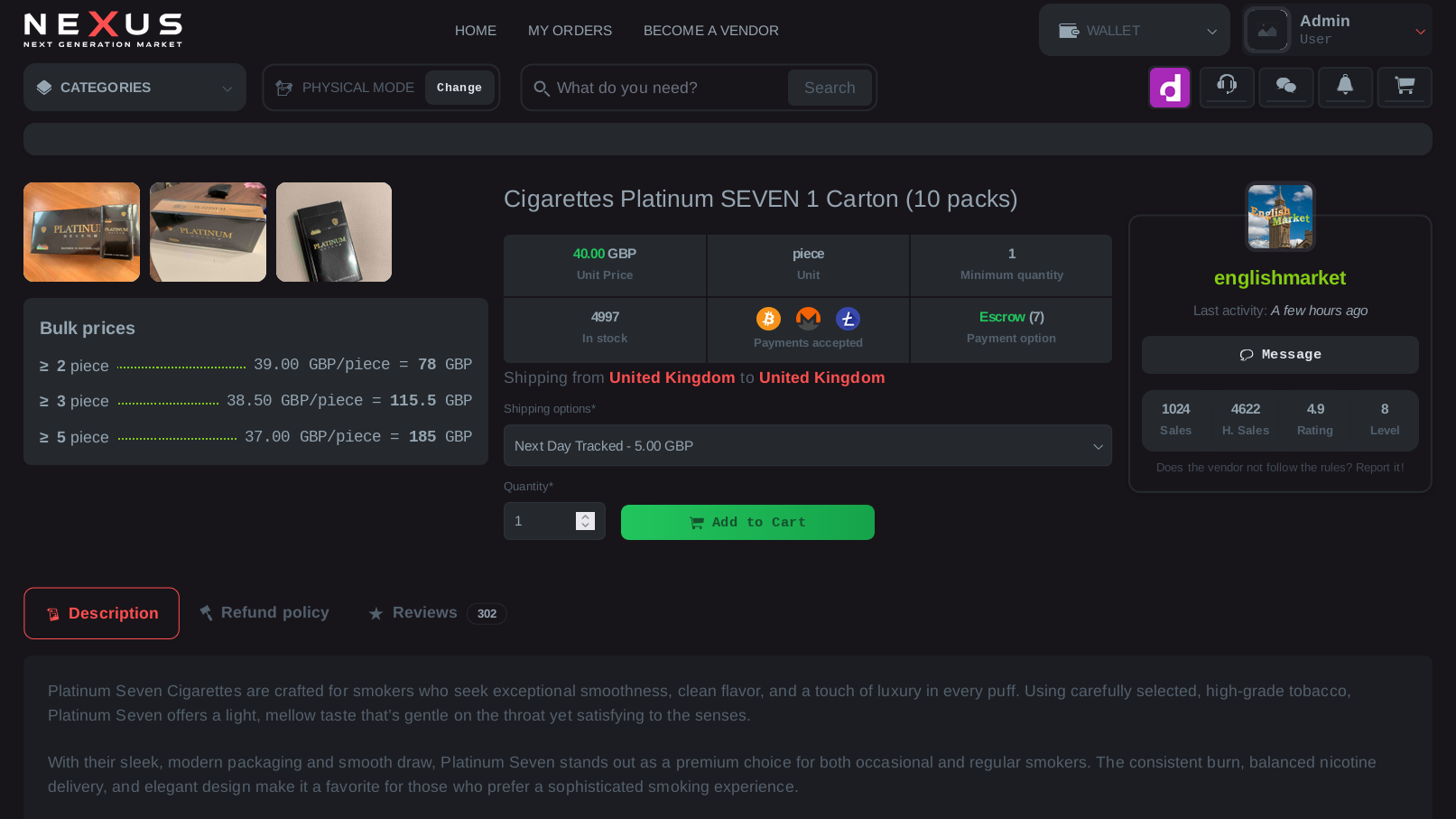
Fig 4. Main Market Dashboard
Categorical UI structure with advanced filtering matrix.
Community & Statistics
Metrics gathered through independent network analysis indicate a steady growth in the user base, correlating directly with the adoption of the platform's "no vendor bond" policy for recognized merchants importing feedback from legacy directories. This policy lowers the barrier to entry for established entities while relying on strict algorithmic moderation to maintain quality assurance.
The platform's reputation within decentralized forums remains highly positive, largely attributed to transparent administrative communication concerning protocol updates and infrastructural maintenance.